The eight main types of magick are High Magick, Low Magick, Divination, Sympathetic Magick, Talismanic Magick, Folk Magick, Elemental Magick and Petition Magick. There are many ways to sort and classify types of magick, though. This list is by no means exhaustive, and different types can seemingly overlap sometimes or be combined.
As many underlying principles are the same, the difference lies largely in the method. Most spellcasters tend to have favorites that they specialize in, though it’s always good to experiment to find what works best for you.
1. High Magick (Ceremonial Magick)
Also known as “Ceremonial” or “Ritualized” magick, it is very formal, elaborate, intricate, exact, and extremely powerful when mastered. It involves things such as symbolism, complex astrology and numerology, and the summoning of otherworldly entities. The purposes of High Magick are aimed towards spiritual growth and higher purposes.
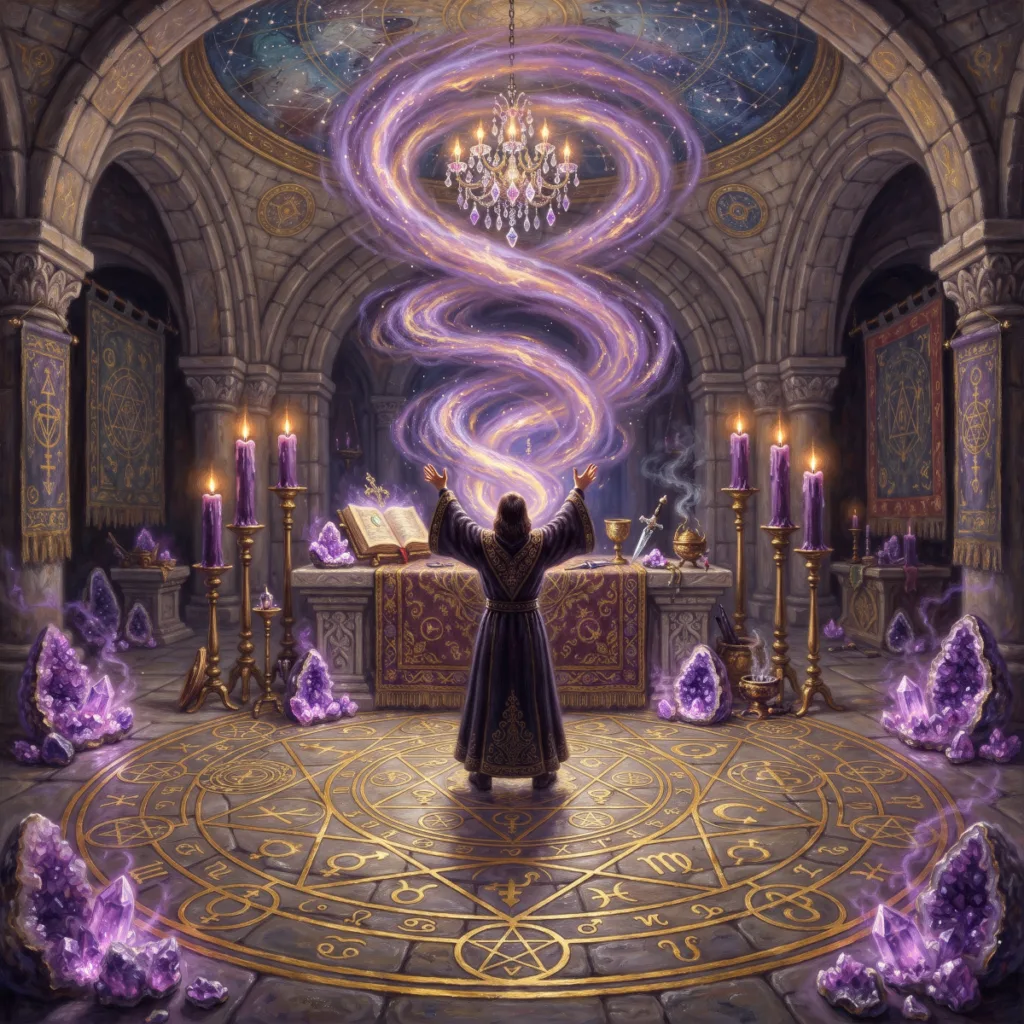
High Magick usually follows precise, written rituals, often drawn from old grimoires, with specific tools, words, timings and preparations. Well-known traditions include the Hermetic Order of the Golden Dawn, Thelema and Enochian magick.
Best for: dedicated practitioners who love structure, study and precision.
2. Low Magick (Earth Magick)
Also known as “Earth Magick,” it can also be aimed at spiritual growth, but generally is more concerned with mundane, everyday life. It can be ritualized, or not ritualized at all, though generally is less ritualized than High Magick. While study and practice are also required for Low Magick, it relies more on instinct, spontaneity, and creativity.
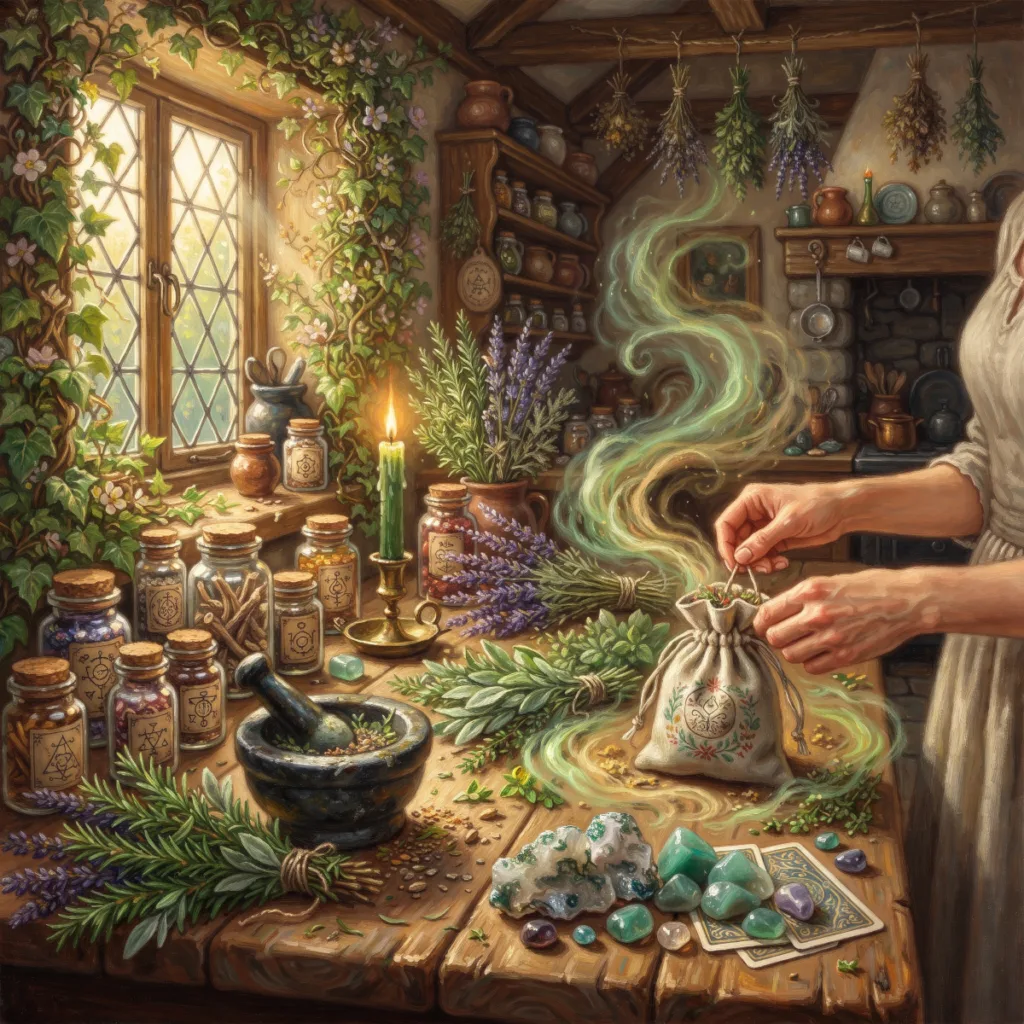
Think candle spells, charm bags, kitchen witchery and hedge witchcraft: magick worked with what’s at hand, often at the kitchen table rather than in a formal temple.
The terms “High” and “Low” don’t mean that one form is superior and the other inferior. Think of one as classical music and the other as jazz. Neither is necessarily better or worse; they are just different styles with different approaches, and everyone has their preference. I personally practice Low Magick, by my own choice.
Best for: practical, everyday spellwork, and witches who trust their intuition.
3. Divination
Divination involves all types of magick in which the goal is to peer into the future and glean some possible answers as to what lies in store. Personally, I do not believe the future is set in stone, so in using divination, I only seek what could happen if I continue on my current course of action (or non-action). If I don’t like the outcome, I change my course.
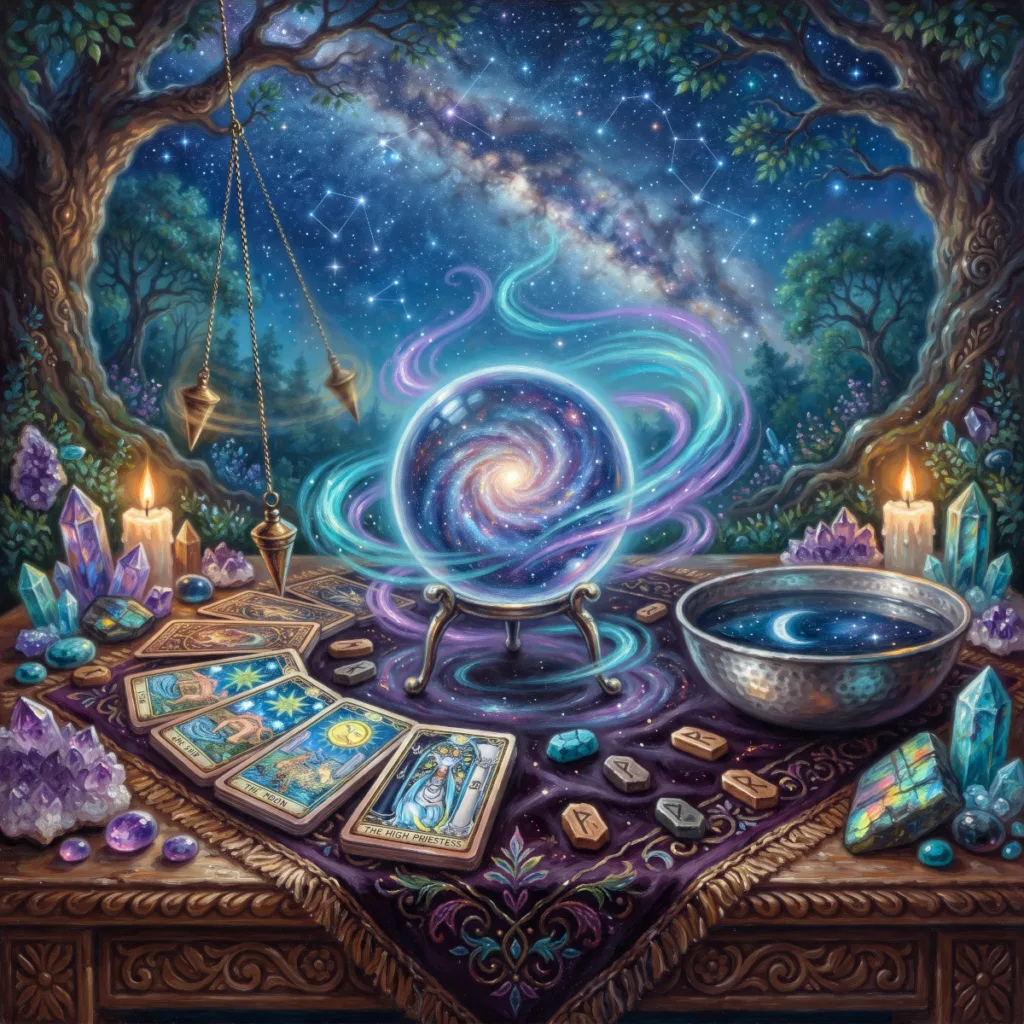
In my opinion, every person studying magick should take up some form of divination. I find it useful when planning a spell to divine what the outcome might be. Occasionally, I find that the outcome is not what I had in mind, which makes me reconsider changing the goal or the approach, or casting the spell at all.
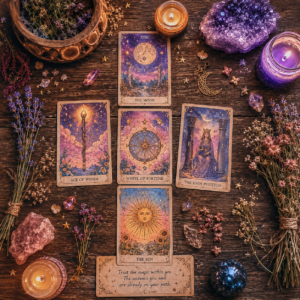
While some people can simply have visions during trances or dreams, most find one of the many tools of divination useful, such as Tarot cards, I-Ching, Runes, tea leaf readings, pendulums, or scrying.
Best for: gaining insight, checking a spell before you cast it, and guidance on decisions.
4. Sympathetic Magick
Sympathetic magick involves any magick in which one object is used to represent someone, to the extent that the two become “linked.” After that, whatever is done to the object happens to the person.
It works on two principles, first described by the anthropologist James Frazer: like affects like (the law of similarity), and things that were once in contact stay connected (the law of contagion). A poppet made to resemble someone uses the first; a lock of their hair or a piece of their clothing uses the second.
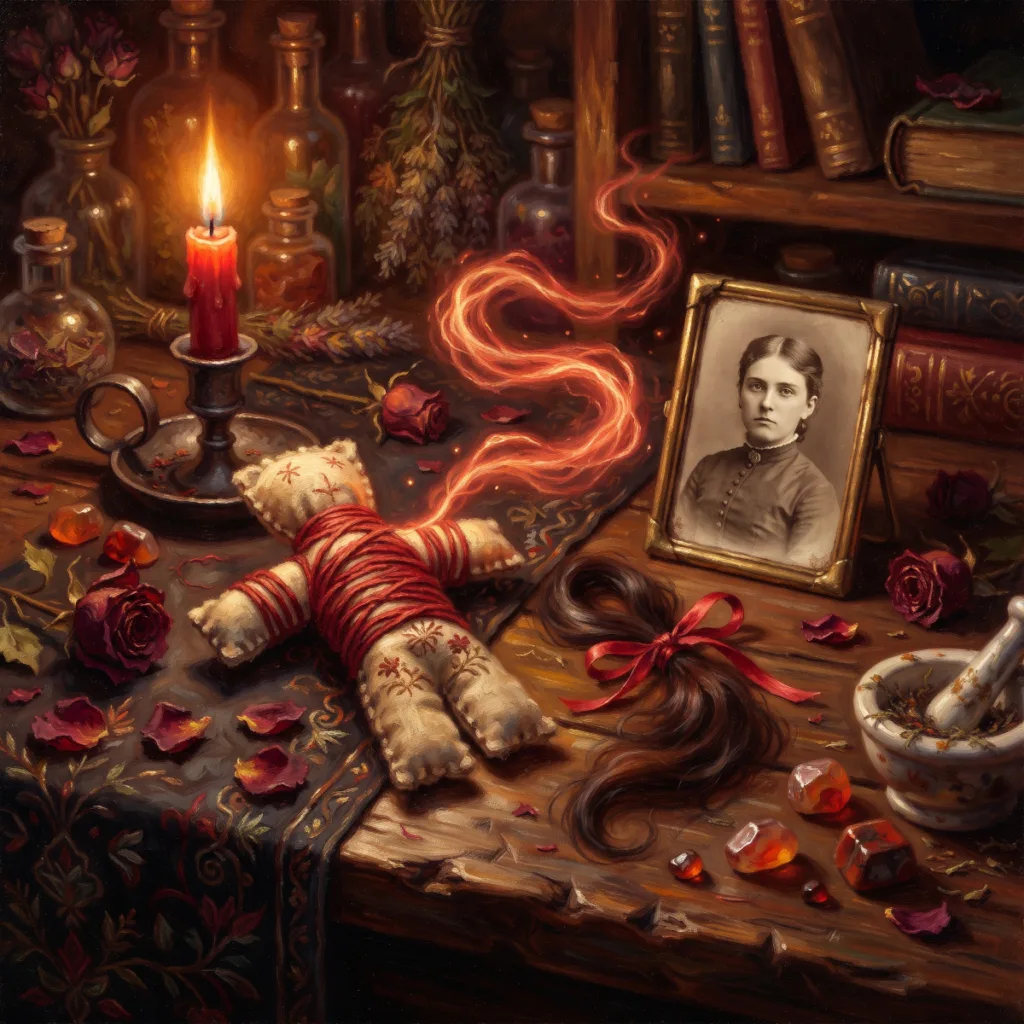
The most common form of sympathetic magick that people are familiar with is the “Voodoo doll,” though the pin-stuck doll of horror films owes far more to fiction than to the Vodou religion itself. Sympathetic magick can be performed with a doll or a poppet, but also with an object that belonged to the person, or even a photograph.
While most people associate sympathetic magick with hexing thanks to fiction, in reality sympathetic magick can help with achieving any goal: healing, prosperity, love, and more.
Best for: spells focused on a specific person or situation.
5. Talismanic Magick
Talismanic magick is the creation of a talisman or amulet, that is, an object that has been charmed. The purpose is to draw (or repel) specific energies. Talismans are created and then carried or worn. They can be man-made objects, or objects found in nature.
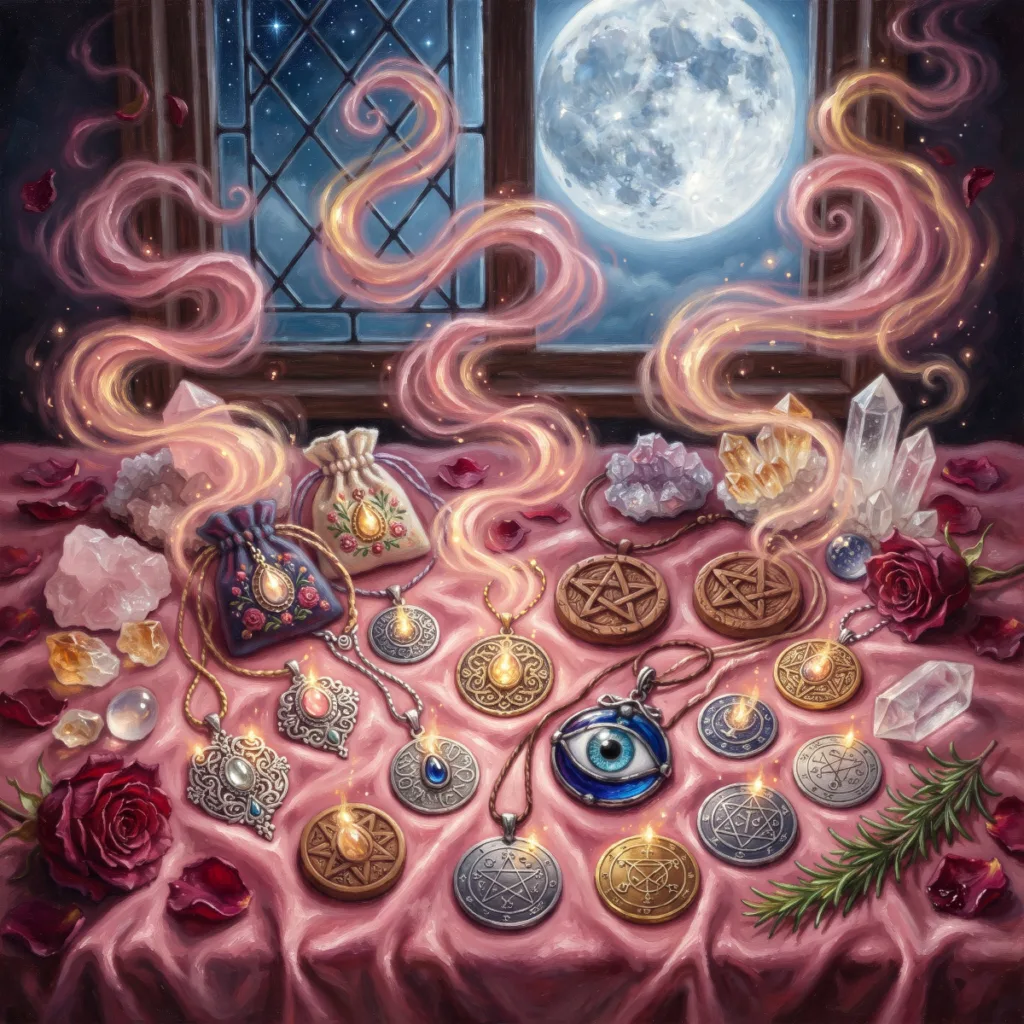
Strictly speaking, a talisman draws energy towards you, like luck, love or money, while an amulet protects you by repelling it. An evil eye charm is a classic amulet. Either way, the object is usually charged in a ritual, by moonlight, with incense or with a spoken intention, to focus it on its purpose.
It’s best to choose an object that is conducive to the goal. For example, to draw love, make a talisman out of rose quartz, a sprig of rosemary, or a heart necklace: things that are associated with love.
Best for: long-lasting magick you can carry with you every day.
6. Folk Magick
Folk magick is often passed down in families or cultures since before we can trace its origins, it’s so deeply rooted. Folk magick, so named for being the magick of the common folk, is one of the least ritualized, most spontaneous forms of magick, usually involving chants, gestures, symbols, or natural items. It is extremely practical and ready to go. Some examples are drawing a hex sign on a doorway to ward off evil, a healing chant muttered over a burn, or sprinkling lavender around the bed for a peaceful night’s sleep.
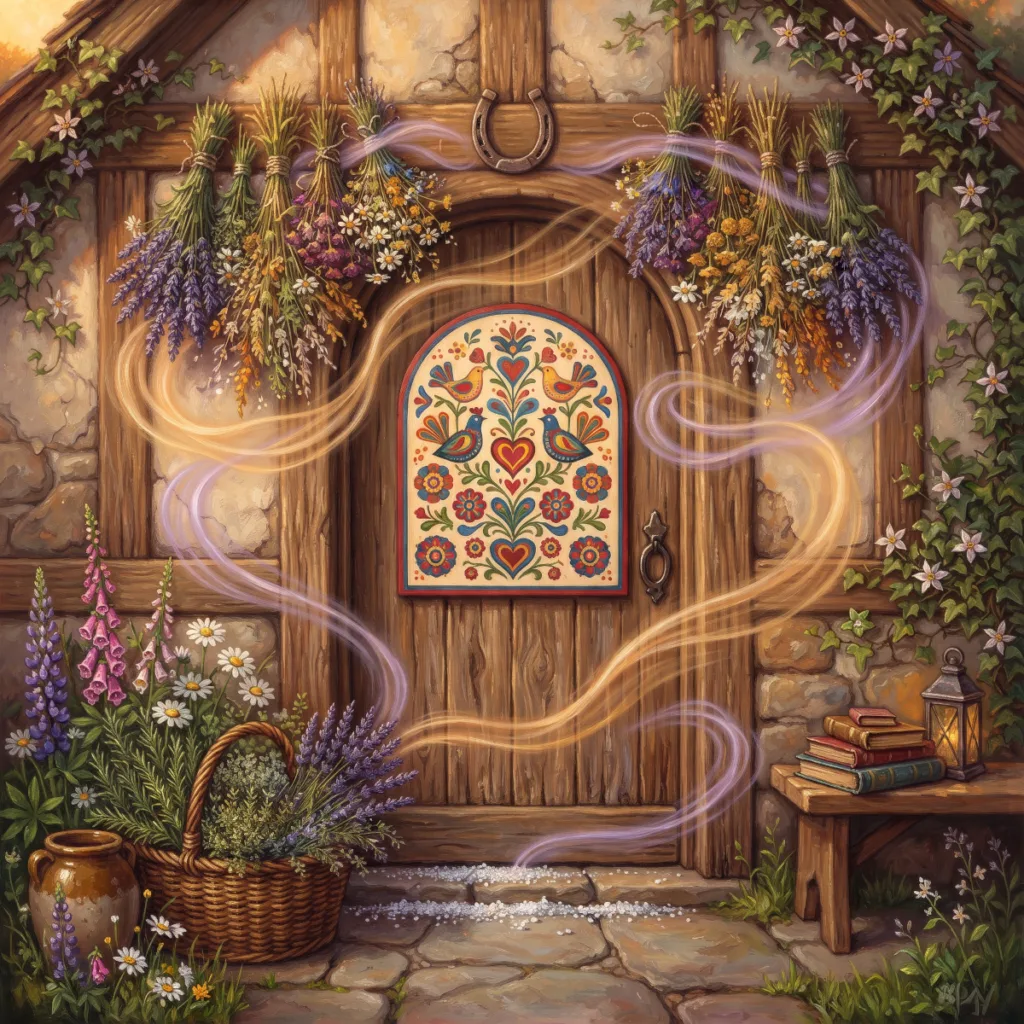
Almost every culture has its own folk magick, from hoodoo in the American South to Pennsylvania Dutch hex signs and the cunning folk of the British Isles.
Best for: quick, practical magick for everyday problems.
7. Elemental Magick
Elemental magick uses the energies of the sacred Elements (Earth, Air, Fire, and Water) in spells, or works with tools and components that symbolize and represent them. It is powerful but can get complex, because of the many associations that need to be learned and considered.
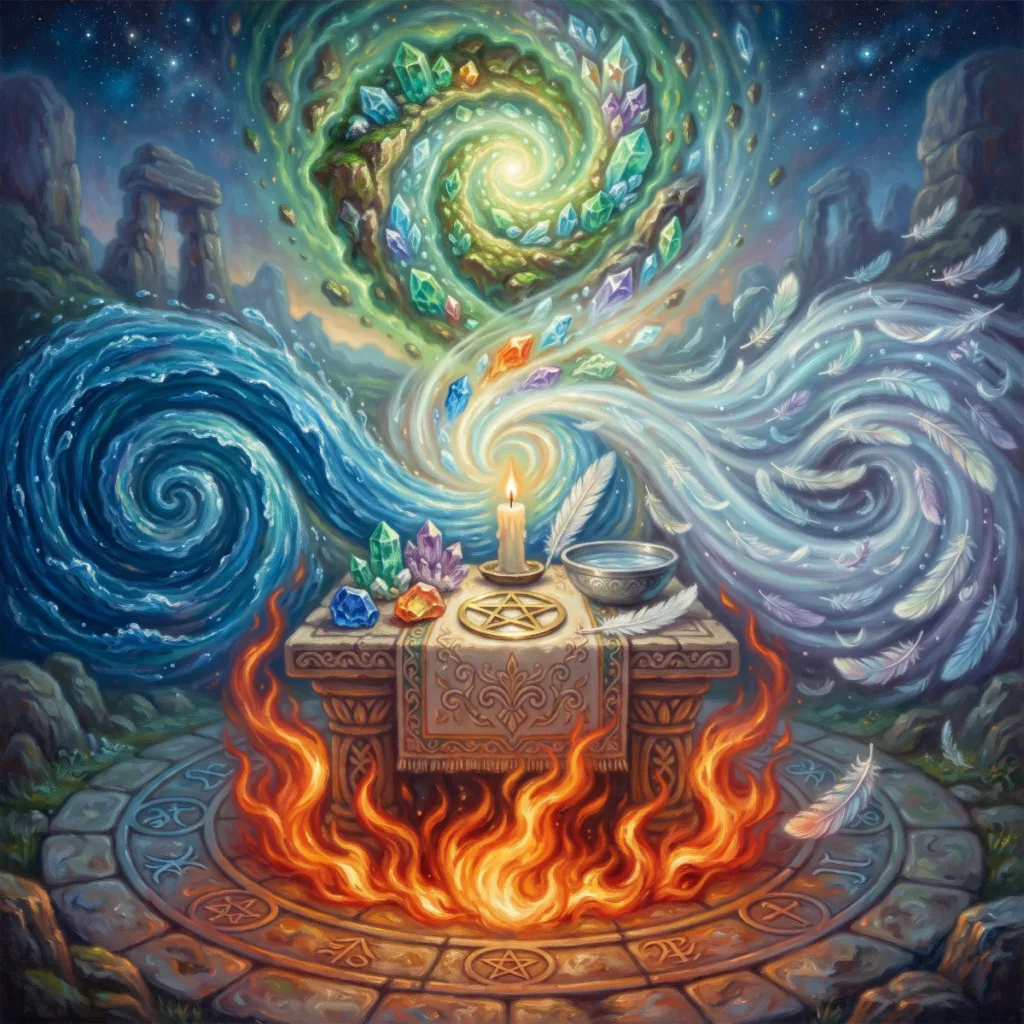
Elemental magick takes into account not just the element being used, but the timing, tools, direction, and various other correspondences. The most common correspondences are:
- Earth (North): stability, money, grounding and the body
- Air (East): thought, communication and new beginnings
- Fire (South): passion, courage and transformation
- Water (West): emotion, love, intuition and healing
Several other types of magick can technically fall under the elemental magick umbrella because they use the energies of specific elements, but these types have risen to become concentrations in themselves:
- Candle Magick
- Herbal Magick
- Kitchen Magick
- Crystal Magick
- Metal Magick
- Musical Magick
- Color Magick
- Rune Magick
- Tarot Magick
- Moon Magick
- Planetary Magick
Not everyone would consider these Elemental magick, but I do, because of my tradition. In my Wiccan trad, all of these things are strongly associated with one or more of the four elements. Every herb, Tarot card, Rune, instrument, planet, moon phase and crystal is connected to one or more elements. Working with them is simply working with one of the elemental correspondences. Feel free to disagree!
Best for: witches who love correspondences and building layered, balanced spells.
8. Petition Magick
This type of magick most closely resembles prayer. Petition magick is when you petition some Higher Power to grant you what you desire. “Ask” is the operative word, not “command.” In this, you also should be willing to accept “no” as an answer. This is great for when you’re simply not sure if you have a right to manipulate something, but you feel moved to make some kind of appeal.
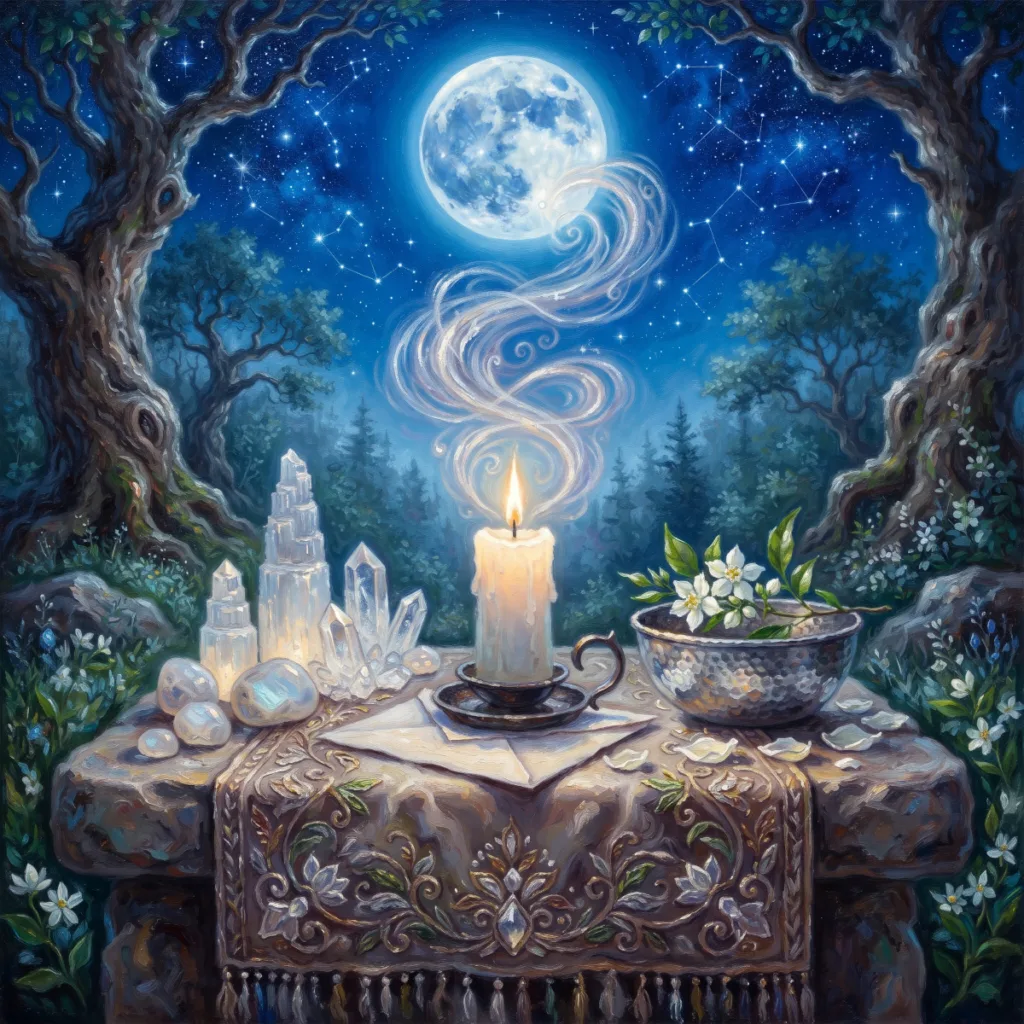
A petition is often written on paper and placed under a candle, burned, or left on an altar. It can be addressed to a deity, a saint, an angel, your ancestors, or the universe itself.
Best for: situations where you’d rather ask than command, and anything you’re unsure you should be influencing.
Which type of magick should you practice?
Start with whichever type you feel drawn to. Low Magick and Folk Magick are the easiest places to begin, since they need little more than intention and a few everyday items. Divination is worth learning alongside whatever you choose, so you can check a spell before you cast it.
Most witches don’t stick to just one type. Over time, you’ll likely find yourself blending several, like a candle spell (Elemental) with a written petition (Petition), checked first with a Tarot pull (Divination).

Want to understand how you're wired to manifest?
Most manifestation advice is generic. Your birth chart isn't. Here’s the thing: everyone can manifest their desires – you just need the right guide.Your custom Astro-Magick Blueprint uses your unique birth chart to:- Find your unique manifestation style.
- Uncover your natural superpowers and hidden blocks.
- Discover what your soul is truly here to call in.
- Give you a personalised roadmap - not one-size-fits-all advice.